Focused arrival windows
Useful updates and clear arrival timing.
Hot Water Line Leak Repair Fullerton CA means finding the exact break in your under-slab hot water pipe and fixing it without tearing up your whole floor. If your water bill jumped, your slab feels warm, or you hear water running when nothing is on, we can help. Our licensed techs use acoustic detection and thermal imaging to pinpoint the leak, then repair or reroute the line. Same-day service across Fullerton, CA.
Useful updates and clear arrival timing.
Review the approach and price before deciding.
Equipped vehicles and respectful cleanup.
Neighbors serving neighbors with follow-through.
Every hot water line leak repair we do in Fullerton includes detection, repair, pressure testing, and concrete patching. You get one price for the whole job. If your home needs a reroute instead of a direct repair, we will tell you before we start and price it separately so you can compare.
We pressurize the hot line and use an acoustic listening disc plus a thermal imaging camera to pinpoint the break within a 12-inch window. No exploratory jackhammering. Detection takes 45 to 90 minutes and the fee is credited toward your repair.
We cut out the failed section and splice in new copper pipe or PEX tubing with proper fittings and solder. The repair meets IAPMO Uniform Plumbing Code (UPC) standards. Most direct repairs take four to six hours of on-site work.
Before we close anything up, we refill the line and pressure-test at 100 psi for 30 minutes. If it holds, we move to patching. If it does not, we keep working until it does. You never get a repaired line that has not been proven.
We fill the access cut with a concrete mix matched to your slab and seal it. The work area gets swept and hauled out. For tile or laminate floors, we coordinate the finish repair so the patch blends in. You should not be able to find where we worked.
We run every hot fixture in the house and confirm temperature and flow at each one. Then we walk you through what we did, show you the test results, and hand over the 5-year workmanship warranty. You know exactly what you paid for.
Share what is happening and receive a clear next step from the local team.
Hot Water Line Leak Repair Fullerton CA is the process of locating a failed hot water pipe beneath your concrete slab, confirming the break point, and restoring the line so hot water flows without leaking into the soil under your home. The hot side fails more often than the cold because heat expands copper, stresses joints, and accelerates corrosion in Fullerton's older housing stock. We start with non-invasive detection, then repair the pipe directly or reroute it overhead through the attic or walls. Most jobs are finished in one to two days.
Fullerton homeowners call us when the signs stack up: a water bill that jumped $80 to $200 in a single cycle, a warm spot on the floor near the kitchen or hallway, the faint sound of running water at 2 a.m., or cracks opening in tile and drywall. Homes in Raymond Hills and Westside built in the 1950s and 1960s are prime candidates because their original copper lines have been cycling hot and cold for six decades. If you need hot water line leak repair in Fullerton CA near me, we answer the phone 24/7 and dispatch a licensed tech the same day.
You call, we ask three questions: where is the warm spot, how much did the bill jump, and is the meter spinning with everything off. That tells us whether it is a hot or cold line leak before we roll a truck. We schedule a same-day window, usually within four hours, and text you the tech's name.
On site, we pressurize the hot line and walk the slab with an acoustic listening disc and a thermal imaging camera. The hot side shows up clearly on infrared because the escaping water is 120 to 140 degrees. We mark the exact spot with tape. Detection takes 45 to 90 minutes and involves no cutting.
We confirm the break with a pressure testing gauge and, when the layout is unclear, a video pipe inspection camera. Then we give you the price: direct repair, reroute, or full line replacement. You choose. No pressure, no hidden add-ons. The number we say is the number you pay.
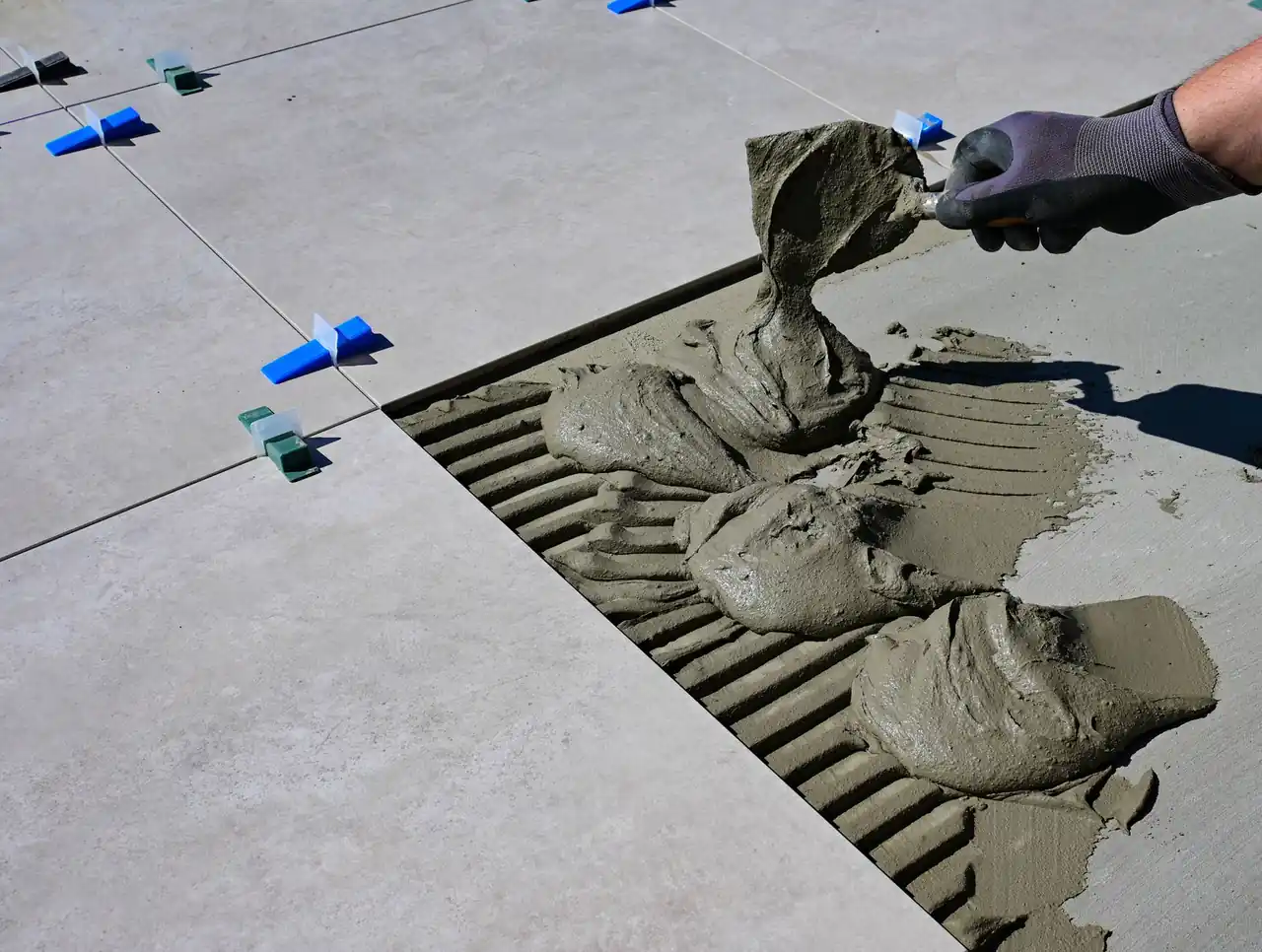
For a direct repair we open a small access point, cut out the failed section, and splice in new copper or PEX tubing with proper fittings and solder. For a reroute we abandon the under-slab run and pull a new line overhead. Most repairs take four to eight hours of on-site work.
We refill, purge, and pressure-test the line at 100 psi for 30 minutes. Then we check every hot fixture in the house for temperature and flow. Finally we patch the concrete and leave the area clean. You get a 5-year workmanship warranty on the repair and a walkthrough before we go.

We place a listening disc on the slab and follow the sound of pressurized water escaping the pipe. It narrows the break to a 12-inch window before we cut anything.
Hot water leaks show up as warm zones on infrared. The Fluke camera lets us map the leak path across the slab in minutes, even under tile or laminate.
We isolate the hot line and pressurize it to 100 psi. A dropping gauge confirms the leak and tells us whether the line will hold after repair.
For complex layouts, we run a camera through the line to see joint failures, corrosion, and scale buildup directly. It confirms whether a repair or reroute is the right call.
We use it to trace the line's path under the slab when original plumbing drawings are missing, which is common in Fullerton's older neighborhoods.
After repair, we check flooring and baseboards for residual moisture. It tells us whether drying equipment is needed to prevent mold.
Every repair and reroute we do meets UPC standards for pipe material, joint type, and pressure testing. That matters at resale and for your homeowner's insurance if you ever file a claim.
Where the pipe allows, we repair or reline without excavating the full run. Trenchless methods mean less concrete cutting, less dust, and a faster return to normal for your household.
For pipes that are too corroded to repair reliably, we abandon the under-slab run and pull a new line through the attic or walls. Zero slab cutting, and the new line should outlast the house.
We never close up a repair without a 30-minute pressure test at 100 psi. If the line does not hold, we keep working. You get proof the repair is sound before we patch the concrete.
We pressure-tested the hot side, found a pinhole at a joint under the hallway, and repaired it with a new copper splice. The whole job took six hours on site, including detection and concrete patch. The water bill returned to normal the next cycle. The homeowner avoided a $4,000 foundation repair and a full repipe.
Thermal imaging showed a hot water line break under the downstairs slab. Because the pipe had already been repaired once, we rerouted the line overhead through the attic with Uponor PEX tubing. Full hot water pressure restored at every fixture. No more slab cuts, and the new line carries a 5-year workmanship warranty.
We isolated the hot line, confirmed the leak with acoustic detection, and repaired it the same day. Then we ran a moisture meter across the affected flooring and set up drying equipment. The meter stopped spinning, the flooring dried without warping, and no mold developed. Total time from call to repair: one day.
We detected a hot water line leak under the kitchen slab and completed a direct repair in five hours. The concrete patch was finished the same afternoon so the tenant could use the kitchen that evening. Repair came in under $2,000, the tenant stayed, and the owner avoided a vacancy. The line passed a 100 psi pressure test before we left.
Fullerton sits on a mix of older housing stock and newer infill, and that shapes how we approach every hot water line leak. Homes built between 1950 and 1975 in Raymond Hills, Westside, and West Coyote Hills mostly have original copper hot water lines. After 60 years of thermal cycling, those pipes are at the end of their service life. Newer builds in Amerige Heights and Hawks Pointe often use PEX tubing, which fails differently, usually at crimp fittings rather than mid-pipe. Our climate matters too: Fullerton's hot, dry summers push slab temperatures high, and the temperature swing between a 140-degree hot line and cool soil accelerates corrosion at joints. We also work to California plumbing code, which requires pressure testing and permits for certain reroutes. If you need affordable hot water leak repair Fullerton California homeowners trust, we handle the detection, the repair, the concrete patch, and the paperwork. Most jobs are done in one day.
Predominantly 1950s and 1960s ranch homes with original copper hot water lines. We see more joint failures here than anywhere else in Fullerton.
Newer construction with PEX tubing. Leaks here tend to be at crimp fittings and manifolds rather than mid-pipe, which changes the repair method.
Larger lots with longer under-slab runs. Detection takes longer, and rerouting overhead is often the better long-term fix.
Mix of 1960s builds and later additions. We often find hot water leaks where an addition tied into the original slab plumbing.
Scale builds up inside copper hot water lines, narrowing the pipe and trapping heat. That accelerates corrosion at joints and shortens the line's life. We flush and inspect while we are in there.
Clay soil shifts with moisture, which flexes under-slab pipes and stresses joints. It also means a leak can erode a void quickly, so early detection matters more here.
Thermal expansion and contraction is the number one killer of copper hot water lines. Fullerton's climate cycles pipes harder than coastal cities, which is why we see failures earlier.
A 1961 ranch home had a water bill that jumped from $95 to $240 in one cycle. The hallway floor was warm to the touch, and a hairline crack had opened in the drywall corner. The homeowner had been quoted $6,800 for a full repipe by another company.
We located a pinhole leak at a copper joint under the hallway and repaired it with a new copper splice in six hours. The pressure test held at 100 psi. The water bill dropped back to $98 the next cycle, and the drywall crack stopped growing.
Maintenance: We recommended an annual pressure check on the hot side and a water softener to slow scale buildup. The homeowner now checks the meter monthly with all fixtures off.
A 1998 two-story home had lukewarm showers and pressure that dropped whenever the dishwasher ran. The hot water line had already been repaired once under the slab. The homeowner did not want another concrete cut in the kitchen floor.
We rerouted the hot water line overhead through the attic using Uponor PEX tubing. The job took a day and a half. Hot water temperature at the master shower returned to 122 degrees, and pressure held steady at 58 psi with three fixtures running.
Maintenance: No under-slab hot line remains, so there is nothing left to leak. We suggested insulating the attic run and checking the expansion tank annually.
A homeowner heard water running at 3 a.m. with every fixture off. The meter was spinning, and a damp spot had appeared at the baseboard in the dining room. The leak had likely been running for weeks.
We confirmed a hot water line leak under the dining room slab with acoustic detection and repaired it the same day. A moisture meter showed elevated readings in the baseboard, so we set up drying equipment for 48 hours. No mold developed.
Maintenance: We advised the homeowner to keep the slab area dry and re-check moisture after the next rainy season. A $35 moisture meter reading every six months is cheap insurance.
A hot water line leak under a slab does not stay contained. It spreads into your foundation, your flooring, and your utility bill. These are the problems Fullerton homeowners call us about most, and how we shut each one down.
A pinhole hot water leak can waste 10,000 to 30,000 gallons a month. Left for a full quarter, that is $300 to $750 down the drain and a pipe that is getting worse every day. We isolate the hot line, pressure-test it, and confirm the leak with acoustic detection. Once located, we repair the failed section and re-test at 100 psi. Your next water bill should return to its normal range.
A warm slab means hot water is escaping directly under the concrete. The soil expands, the slab bedding erodes, and tile or laminate starts to lift and crack. Ignoring it leads to foundation repair estimates in the thousands. We use a thermal imaging camera to map the warm zone and narrow the break to a 12-inch window. Then we open one small access point, repair the line, and patch the concrete. Most Fullerton homeowners are back to normal in one day.
That sound is pressurized water escaping underground. It runs 24 hours a day, eroding soil and driving up your bill. In homes on a raised foundation, it can also flood the crawlspace and trigger mold. We confirm the leak with a pressure testing gauge, locate it with acoustic equipment, and repair the line. If the under-slab pipe is too corroded for a reliable repair, we reroute it overhead through the attic instead.
When the soil under a slab washes away, the concrete loses support and shifts. You see it first as hairline cracks in drywall corners or grout lines, then as sticking doors and uneven floors. We stop the water source first by repairing the hot water line, then assess the slab. In most Fullerton cases, halting the leak stops further movement. We can refer a foundation specialist if the slab has already dropped.

Slab Leak Pros has been fixing under-slab plumbing in Fullerton since 2016. In that time we have completed more than 1,400 slab leak repairs across Orange County, roughly 60 percent of them on hot water lines. Our technicians hold California Contractor License (C-36 Plumbing) credentials, carry Backflow Prevention Certification, and work to IAPMO Uniform Plumbing Code (UPC) standards on every job. We train on RIDGID locators, Milwaukee inspection cameras, and Fluke thermal imaging gear, and we re-certify on acoustic detection annually. When we say we have seen your exact leak before, we mean it.
Most Fullerton hot water line leak repairs run $1,200 to $2,800 for a direct repair, or $2,500 to $5,500 if we reroute the line overhead. Detection alone is $250 to $450 and we credit it toward the repair. Cost depends on access, pipe material, and whether the slab needs a concrete patch. We give you the full number before we cut.
The two main causes are heat-driven copper corrosion and abrasive soil. Fullerton's older homes have copper hot lines that have expanded and contracted tens of thousands of times since the 1950s. That stress cracks joints and thins pipe walls until they pinhole. In some West Coyote Hills areas, soil chemistry accelerates the process. A pressure test confirms it in under an hour.
Slab Leak Pros repairs hot water leaks across Fullerton and Orange County. We are licensed, insured, and have been doing slab leak work here since 2016. We handle detection, direct repair, rerouting, and concrete patching in-house, so you are not coordinating three different trades. Call 657-354-1087 and we will dispatch a tech the same day.
Yes, in most cases. We can reroute the line overhead through the attic or walls, which means zero slab cutting. That is the preferred option when the under-slab pipe is too corroded to repair reliably. A reroute takes one to two days and costs more upfront, but it eliminates the failing pipe entirely. We will tell you honestly which option fits your home.
Not seeing your question? Our local team can help you understand urgency, scheduling and what to expect.
Ask the local teamWhen a hot water line lets go at 2 a.m. and water is pooling at the baseboard, our emergency crew responds 24/7 across Fullerton. We isolate the line, stop the flow, and stabilize the slab before permanent repair. Same licensed techs, same upfront pricing, just faster.
View service
Hot water lines are not the only pipes under your slab. When a cold line or drain line fails, we use the same acoustic and thermal detection to find it. Under-slab pipe repair covers copper, PEX tubing, and PVC pipe, with a concrete patch matched to your existing floor.
View service
If your Fullerton home has a hot water line that has already been repaired twice, rerouting is usually the smarter spend. We abandon the under-slab run and pull a new line overhead through the attic. No more slab cuts, no more concrete patches, and a line that should outlast the house.
View service
Cold water leaks show up differently: a constantly spinning meter, a cool damp spot on the slab, or a drop in pressure at every fixture. We repair cold water lines with the same detection-first approach. If both hot and cold lines are failing, we can replace both in one visit.
View serviceCall us at 657-354-1087 or email info@slableakpros.com. We answer the phone 24/7 for emergency slab leak calls in Fullerton. For non-emergency work, we schedule same-day or next-day appointments. You will get a written price before we start.