Focused arrival windows
Useful updates and clear arrival timing.
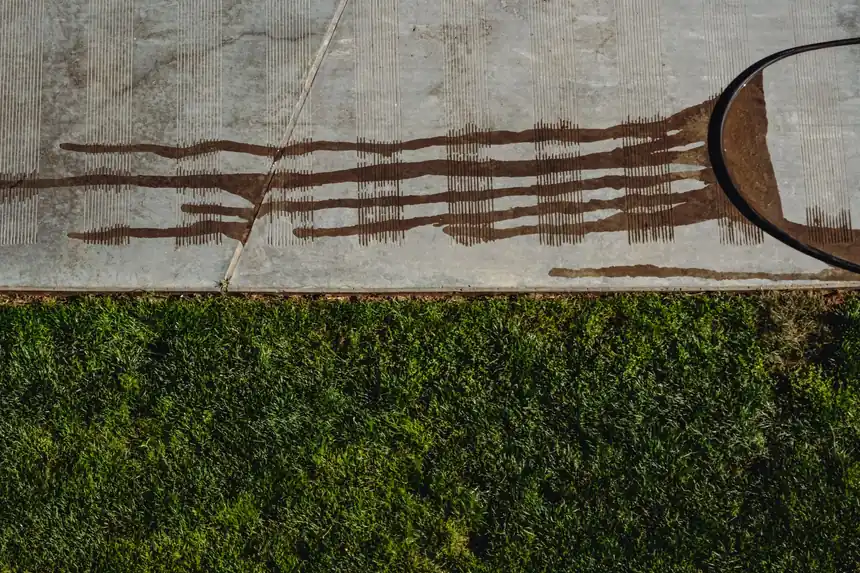
Slab Leak Detection in Coyote Hills Estates starts with pinpointing the leak before we break concrete. We run acoustic leak detection equipment and a thermal imaging camera across your slab, mark the failure, and give you a flat repair price the same day. From Coyote Hills Ridge to the Estates Drive area, we handle hot water line leaks, cold water line leaks, and under-slab pipe corrosion on copper and PEX alike.
Useful updates and clear arrival timing.
Review the approach and price before deciding.
Equipped vehicles and respectful cleanup.
Neighbors serving neighbors with follow-through.
Slab Leak Detection in Coyote Hills Estates is the process of locating a pressurized water line failure beneath a concrete slab before it damages flooring, framing, or foundation soil. We have worked this hillside since 2016, and the housing stock here splits into two camps: original 1970s and 1980s builds with copper pipe under the slab, and newer construction with PEX tubing run through the same expansive clay soils. Both fail, just differently. Copper corrodes from the outside in where soil chemistry and moisture attack the pipe wall; PEX fittings fail at crimp joints when the slab moves. We serve Coyote Hills Estates North, Coyote Hills Estates South, and the Coyote Hills Ridge streets off Estates Drive, plus the surrounding 92833, 92835, and 92831 ZIP codes. Our trucks carry RIDGID locators, a Fluke thermal camera, and a General Pipe Cleaners video pipe inspection camera, so we confirm the leak and the pipe material before anyone cuts concrete.

Demand for leak detection services in Coyote Hills Estates runs year-round, but it spikes after the first heavy rain and again in late summer when the clay soil dries and shifts. If you are searching for slab leak detection in Coyote Hills Estates CA near me, we are local to Fullerton and typically on site the same day. Every job starts the same way: locate the leak, confirm the pipe material, then quote the repair.
When water is pooling on your floor at 2 a.m. in Coyote Hills Estates North, we roll with the shutoff located and the repair staged. We isolate the line, open the smallest possible slab section, and restore the pipe with code-correct fittings. Most emergency calls here are hot water lines under tile, and we carry the matching tile and thinset to close the floor the same visit.
View service →02Under-slab pipe repair in Coyote Hills Estates means cutting a precise access point, not trenching the room. We use a pipe locator and video pipe inspection camera to trace the run, then repair the failed section of copper or PEX. On the 1980s builds around the Estates Drive area, we often replace a two- to four-foot section and pressure test it before the concrete patch goes down.
View service →03Sometimes the smartest fix in a Coyote Hills Estates home is to abandon the failed under-slab line and reroute overhead through the attic or walls. We do this when a pipe has failed twice in the same run or when the slab is post-tensioned and cutting it is risky. Rerouting with Uponor PEX eliminates future slab access on that line entirely.
View service →04A hot water line leak is the most common slab leak we find in Coyote Hills Estates. You will usually notice a warm spot on the floor, a faint hiss, or a water heater that keeps running. We confirm it with thermal imaging, isolate the loop, and repair or reroute the line. Copper hot lines here fail faster than cold because heat accelerates corrosion.
View service →05Cold water line leaks in Coyote Hills Estates tend to run quiet and show up as a rising water bill or a damp patch at the base of a wall. We pressure test the system with a gauge, watch for pressure drop, and locate the failure with acoustic equipment. Cold lines under the slab in the 92831 ZIP code are often original copper with exterior corrosion.
View service →06Water line rerouting moves your main supply off the slab and into a protected chase. In Coyote Hills Estates, we route this way when the original line sits under a finished floor you do not want opened, or when soil movement keeps cracking repairs. We size the new line to your fixture demand and pressure test it before we button up.
View service →07Concrete slab leak repair in Coyote Hills Estates covers the whole sequence: locate, open, repair, patch, and test. We cut a clean access, repair the pipe with NIBCO fittings or a section of PEX, then pour a concrete patch matched to the existing slab. We pressure test the line at working pressure before the patch sets, so you are not guessing.
View service →Our process here is built around one rule: find it before you break it. We start with a pressure testing gauge on the system to confirm there is a leak, then walk the slab with acoustic leak detection equipment and a thermal imaging camera. On a typical Coyote Hills Estates job, that takes 45 to 90 minutes. Once we mark the failure, we confirm pipe material with a video pipe inspection camera so we know whether we are repairing copper pipe, PEX tubing, or a PVC pipe run. Access matters on these hillside lots. Many Coyote Hills Estates homes have tight side yards and sloped driveways, so we park on the street and run hose and cord by hand rather than blocking a neighbor. Work is performed to IAPMO Uniform Plumbing Code (UPC) standards, and every repair is pressure tested before we patch the slab. If you need same-day slab leak detection in Coyote Hills Estates California, call before noon and we will usually have a tech out that afternoon.
The soil under Coyote Hills Estates swells with winter rain and shrinks in summer, flexing the slab and stressing pipe joints until they crack. We see more joint failures here than in flatter, sandier parts of Orange County. We locate the failure with acoustic equipment and a pipe locator, then repair with flexible PEX where the run allows. On repeated failures in the same line, we recommend rerouting overhead so soil movement stops being a factor.
Several Coyote Hills Estates South homes have post-tension cable in the slab. Cutting the wrong spot can sever a tendon and turn a $900 repair into a structural job. We have to know the cable layout before we open anything. We pull the as-built or use a pipe locator and scanning to map cable and pipe paths, then cut only in a verified clear zone. When the risk is too high, we reroute the line instead of cutting the slab.
Most Coyote Hills Estates homes have tile or hardwood over the slab, so a careless access cut means a flooring repair on top of the plumbing bill. Homeowners here expect the floor to look right when we leave. We mark the smallest access point that lets us make the repair, cut clean edges, and match the concrete patch to the slab. We keep tile and thinset on the truck for common patterns and set it back the same visit.
Any slab leak repair in Coyote Hills Estates that alters the potable water system must be done by a C-36 licensed plumbing contractor. It protects you at resale and keeps the work insurable.
Repairs and reroutes here are inspected against UPC standards for pipe material, support spacing, and pressure testing. We test every repaired line at working pressure before the slab patch goes down.
If a repair or reroute touches the main service line, backflow protection matters. Our techs hold backflow certification so the supply side stays compliant after the work.
The problems we fix in Coyote Hills Estates are not random. They come from a specific mix of expansive clay soil, hillside grading, two generations of pipe material, and the area's high property values, which push homeowners toward minimal-damage repairs. Here is what we run into most, and why.
The original Coyote Hills Estates homes were plumbed in copper pipe under the slab. Decades of contact with moist, slightly aggressive soil corrodes the pipe wall from the outside in until it pinholes. Hot water lines fail first because heat speeds the reaction. We locate the failure with acoustic equipment, confirm the pipe condition with a video pipe inspection camera, and replace the failed section with new copper or transition to PEX. If the run shows widespread corrosion, we quote a reroute instead of chasing one hole at a time.
Newer Coyote Hills Estates homes use PEX tubing, and the weak point is the crimp fitting, not the pipe. When the slab flexes on expansive clay, the fitting takes the movement and eventually weeps. It is a slow leak that hides under flooring. We pressure test to confirm the leak, then map the run with a pipe locator so we cut only where the fitting sits. We replace the crimp with a proper fitting and pressure test at working pressure before patching the slab.
The steepest streets near Coyote Hills Ridge sit on the most active clay. Winter rain swells the soil, summer dries it, and the slab moves with it. That cycle cracks pipe joints and can shear a line at a fitting over a few seasons. On repeat failures we stop repairing and start rerouting. Running the line overhead through the attic takes it out of the soil-movement cycle entirely, which is the only permanent fix on the ridge.
Most Coyote Hills Estates homes have tile or hardwood over the slab, so a hot water line leak shows up as a warm spot or a lifted tile rather than visible water. By the time the floor moves, the soil under the slab is already saturated. We use thermal imaging to find the warm path without pulling flooring, then mark the smallest access point. We keep common tile and thinset on the truck so the floor goes back the same visit.
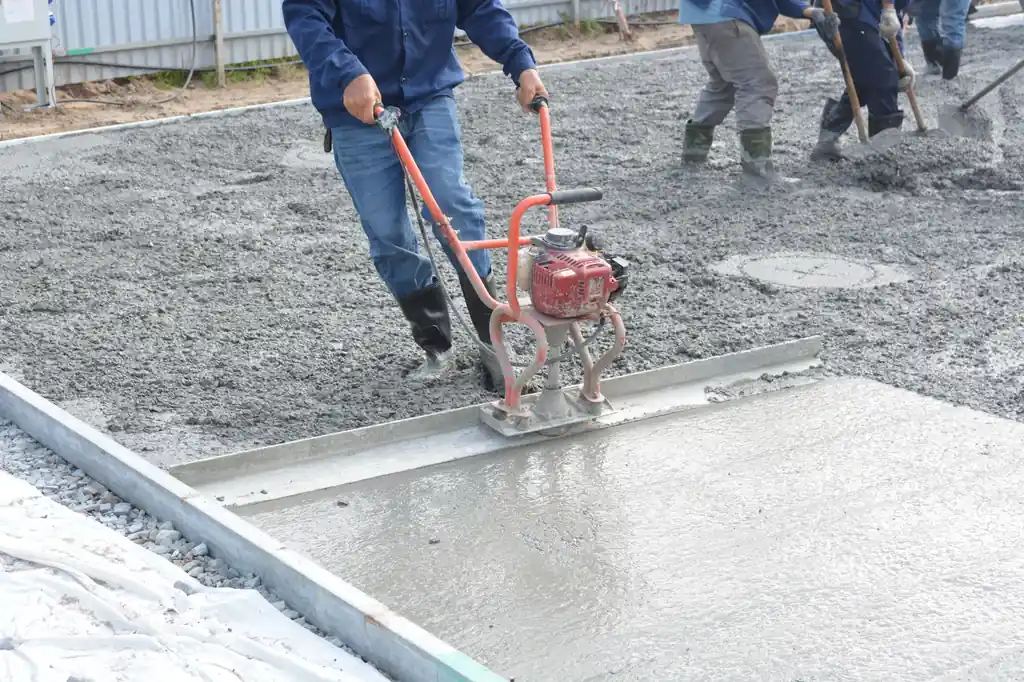
Coyote Hills Estates is a hillside community with winding streets and limited through-roads, so we navigate by landmarks rather than grid addresses. Coyote Hills Golf Course is our main anchor on the west side, and Summit House is the reference point for the ridge streets above it. When you call, tell us the nearest landmark and we can usually pin your street before we roll. That matters on emergency calls, because finding the right cul-de-sac fast saves water damage.
The golf course is the primary orientation point for the west side of Coyote Hills Estates. Streets off its perimeter are how we route to the ridge and the Estates Drive area without circling the hillside.
Summit House sits above the ridge and is the easiest way to describe a location for the upper Coyote Hills Estates streets. If you are near it, we know which access road to take.
The preserve marks the western edge of the community. It helps us separate Coyote Hills Estates addresses from the adjacent West Coyote Hills streets when we dispatch.
The park sits to the south and is a useful boundary marker for the 92831 and 92835 ZIP codes. It tells us which side of the hill your call is coming from.
The neighborhood park is a central reference for the interior residential streets. It is often the fastest way for a homeowner to describe their location on a phone call.
The clubhouse and its surrounding facilities form the main gathering point on the west side of the community, with parking and access roads that help us stage equipment on larger jobs.
The Bastanchury Road corridor along the southern edge of the community carries the retail and service businesses residents use daily, and it is our primary east-west route into the hillside.
Bastanchury Road runs along the south edge of Coyote Hills Estates and is our main approach from the Fullerton side, connecting to Harbor Boulevard and Beach Boulevard.
Harbor Boulevard is the north-south artery we use to reach the 92835 and 92833 ZIP codes before turning up into the hillside streets.
We cover the whole Coyote Hills Estates footprint, from the ridge streets down to the golf course side. Response times run 20 to 40 minutes from our Fullerton base, depending on where in the 92833, 92835, or 92831 ZIP codes you are. Here is what we see in each pocket.
North-side homes here are mostly 1980s slab-on-grade with original copper under the floor. We get a lot of hot water line leaks on this side, usually showing up as a warm tile or a water heater that never shuts off. The side yards are narrow, so we hand-carry equipment. About 15 to 25 minutes from our shop via Harbor Boulevard and Bastanchury Road.
The south pocket has more newer construction with PEX tubing and post-tension slabs. Leaks here tend to be crimp fitting failures rather than pipe wall corrosion. We scan for cable before any cut and often reroute instead of opening the slab. Roughly 20 to 30 minutes out, straight up Beach Boulevard to the ridge.
Ridge streets sit on the steepest grades, and the soil movement is the most aggressive we see in the area. Slab leaks from soil movement are common, and the expansive clay here cracks pipe joints on a shorter cycle than the flats below. 20 to 35 minutes depending on traffic near Coyote Hills Golf Course.
The Estates Drive corridor mixes original builds and remodels, so we run into both copper and PEX on the same street. Homeowners here often want the leak located without disturbing recent flooring work, which is where thermal imaging earns its keep. About 15 to 25 minutes from base, one of our closest Coyote Hills Estates pockets.
These are real job patterns from Coyote Hills Estates, not showroom examples. Each one shows how we located the leak, what we found under the slab, and what it took to fix it. The details are the kind you only learn by working this hillside week after week.
A homeowner in Coyote Hills Estates North noticed a warm patch on the hallway tile and a water heater that kept cycling. The water bill had climbed about $90 over two months. We pressure tested the system, confirmed a hot water line leak, and scanned the slab with thermal imaging and acoustic equipment. The failure was a corroded copper joint about 14 feet into the run. We opened a 2-foot access, replaced the section with copper and NIBCO fittings, and pressure tested at 80 psi. Leak stopped, water heater cycling stopped, and the water bill dropped back to normal the next cycle. The concrete patch and tile were set the same day.
A Coyote Hills Ridge homeowner had a slab leak repaired twice in three years on the same cold water line. Soil movement kept cracking the joints, and they wanted it to stop for good. Instead of a third slab cut, we rerouted the line overhead through the attic using Uponor PEX. We isolated the old under-slab run, capped it, and ran the new supply to the fixtures with proper support and insulation per UPC. No slab access needed, no further leaks on that line in the two years since, and the homeowner avoided a third flooring repair.
A property in the Estates Drive area showed a rising water bill with no visible moisture. The slab was post-tensioned, so a blind cut risked severing a tendon. We used a pipe locator and video pipe inspection camera to map the cable and pipe layout, then confirmed the leak with acoustic equipment. The failure was a PEX crimp fitting. We cut in a verified clear zone, replaced the fitting, and pressure tested before patching. Leak located and repaired without touching a tendon, and the water bill returned to baseline within one billing cycle.
Coyote Hills Estates has a Mediterranean climate: wet winters, dry summers, and a clay soil that reacts to both. That swing drives when slab leaks appear and how fast they get worse. If you want same-day slab leak detection in Coyote Hills Estates California, timing your call to the season can save you money.
Spring is our busiest season here. Winter rain has soaked the expansive clay, the soil is swelling, and slabs are flexing. Water bill spikes from cold water line leaks show up in March and April across the 92835 ZIP code.
Dry summer heat shrinks the clay and pulls the slab down, which stresses pipe joints. Hot water line leaks get more obvious in summer because the warm floor spot stands out against cooler indoor air. Water use is also higher, so leaks cost more.
Fall is the transition. Soil moisture starts returning with the first rains, and leaks that were stable all summer can open up. This is when we see second failures on lines that were patched in spring.
Winter rain saturates the hillside and the clay swells hardest. Slab leaks from soil movement peak, and active leaks cause the most damage because the soil is already wet. Emergency calls go up, especially on the ridge streets.
Coyote Hills Estates sits inside a tight cluster of north Orange County neighborhoods, and we run calls across all of them from the same Fullerton base. If you are just outside the Coyote Hills Estates boundary, we probably still cover your street. Here is how the surrounding areas relate to us.

Amerige Heights is a short run southeast of Coyote Hills Estates, and we frequently work both areas on the same day.
Local coverage and details
Sunny Hills borders the community to the south, sharing the same clay soil and slab-on-grade housing stock we see here.
Local coverage and details
West Coyote Hills is directly adjacent, separated by the nature preserve, and we treat it as part of the same service loop.
Local coverage and details
Raymond Hills sits to the east and shares our response routes along Bastanchury Road, so call-outs there are quick.
Local coverage and detailsNot every plumber who answers the phone actually does slab leak work. In Coyote Hills Estates, where post-tension slabs and finished flooring raise the stakes, the questions you ask up front decide whether you get a clean repair or a second problem. Here are the five that separate a real leak detection contractor from a general plumber.
A contractor who cuts first and looks later is guessing with your floor. We confirm the leak with acoustic equipment, thermal imaging, and a pressure test, then mark the smallest access point. That is the difference between a 2-foot cut and a torn-up room.
If your Coyote Hills Estates home has post-tension cable and the contractor does not ask about it, stop. Cutting a tendon is a structural repair. We map cable and pipe paths with a locator before any cut, and we reroute when the risk is too high.
Slab leak repair alters the potable water system, which requires a California Contractor License (C-36 Plumbing). Ask for the license and proof of insurance. Unlicensed work can void your coverage and complicate a future home sale.
A repair that is not tested is a guess. We pressure test every repaired line at working pressure before the concrete patch goes down. If it does not hold, we fix it while the slab is still open, not after you have paid for flooring.
You want a number before the cut, not an hourly meter. We quote a flat price for the repair and tell you the two or three things that could change it, like hidden flooring damage. No line items added after the fact.
state-licensed plumbing contractor
certified backflow tester
IAPMO
OSHA
EPA WaterSense
$2M general liability plus workers compensation
member
member
Most locates in Coyote Hills Estates run $250 to $550 in 2026, depending on how much slab we scan and whether it is a single line or a shared run. The repair is quoted separately, usually $1,200 to $3,500 for an under-slab pipe repair. Post-tension slabs and finished flooring add labor. You get a flat repair price before we cut.
The right company is the one that locates before it cuts and pressure tests before it patches. We have worked this hillside since 2016, carry acoustic leak detection equipment and a thermal imaging camera on every truck, and know which Coyote Hills Estates streets have post-tension slabs. Ask any contractor those two questions and compare the answers.
Yes. We run 24/7 emergency slab leak detection in Coyote Hills Estates CA, including nights, weekends, and holidays. If water is actively pooling or your shutoff is off and the meter still moves, call 657-354-1087 and tell us it is an emergency. Active leaks get priority over scheduled work every time.
The five we see most are a warm spot on the floor, a water bill spike with no change in use, the sound of running water with everything off, new cracks in tile or slab, and a damp patch at the base of a wall. In Coyote Hills Estates, warm floor spots usually mean a hot water line leak under the slab.
We do. The locate is $250 to $550, and the repair is quoted flat before we cut. On lines that have failed more than once, rerouting overhead often costs less over five years than repeated slab access and flooring repair. We tell you when rerouting is the cheaper path, even when the repair would pay us more today.
Not seeing your question? Our local team can help you understand urgency, scheduling and what to expect.
Ask the local teamCall us at 657-354-1087 or email info@slableakpros.com. We answer the phone 24/7 for emergency slab leak calls in Fullerton. For non-emergency work, we schedule same-day or next-day appointments. You will get a written price before we start.